Buy a fountain pen and you soon meet a small fork in the road. Do you feed it with sealed cartridges, or fit a converter and draw ink from a bottle? Both routes end with a wet nib on paper, but they ask different things of you. One favours speed and tidiness; the other favours choice and economy. Which suits you has less to do with the pen than with how, and where, you write.
How the Two Systems Work
Every fountain pen works the same way: the nib lays down ink, the feed channels it, and a reservoir stores it. Cartridges and converters are simply two kinds of reservoir, and both attach at the same point — the small nipple behind the feed. Push either one on firmly and you have a sealed supply of ink.
Cartridges
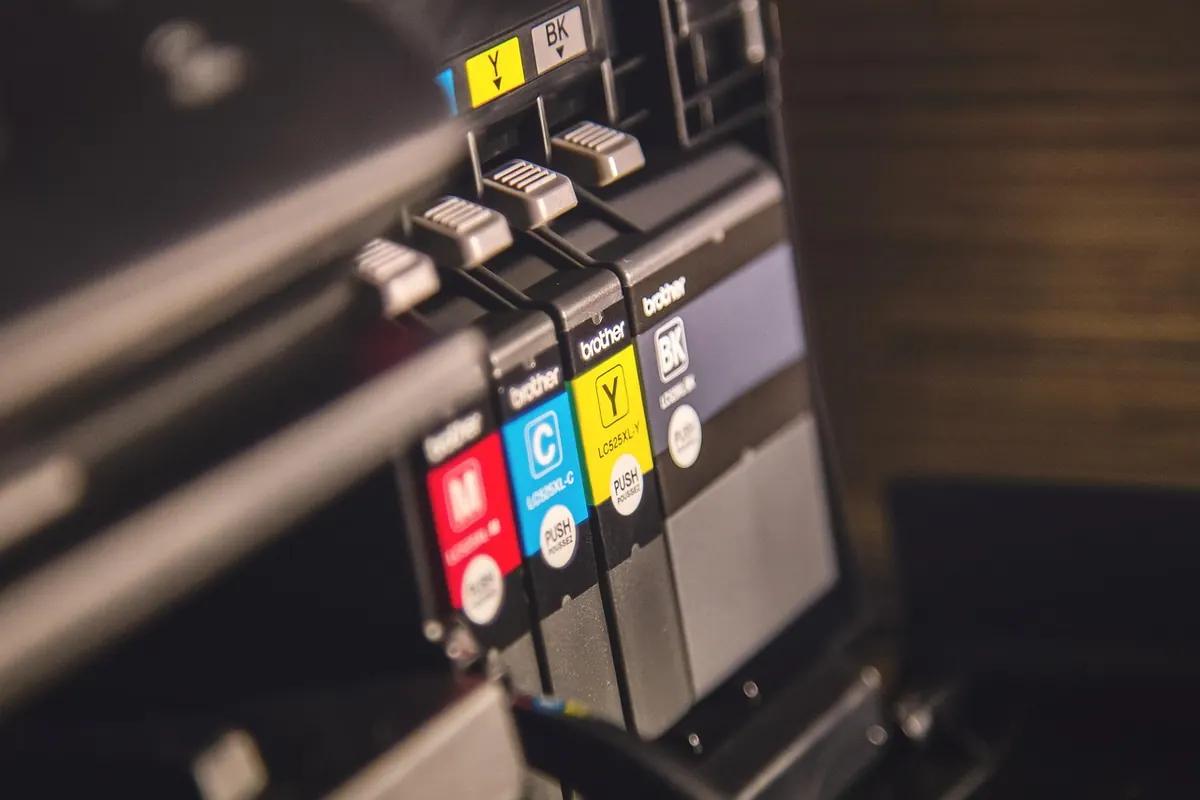
A cartridge is a sealed plastic capsule with a thin membrane at one end. When you push it home, the membrane is pierced and ink begins to flow. They come in short and long sizes, and in a tangle of proprietary shapes: Lamy, Pilot, Platinum, Sailor, Parker and Cross each use their own, while many European pens take the standard international size. Two short international cartridges will often sit back to back in the barrel as a spare; some pens take one long cartridge instead.
Converters
A converter looks like a cartridge but works like a small pump. Turn the piston, squeeze the bar or twist the screw, and it draws ink up from a bottle through the nib. Standard international converters fit most pens that take standard international cartridges; proprietary pens need their maker's own converter. It is worth checking before you buy, because not every pen accepts one. Very small pocket pens, some slender vintage models and certain older cartridge pens are cartridge-only.
Convenience: Cartridges Take the Lead
Nothing beats a cartridge for speed. When a pen runs dry at your desk, you pull out the empty, push in a fresh one and you are writing again in under a minute. No bottle, no wiping, no inky fingers. For a pen that lives in a bag or a coat pocket, that matters.
The catch is that you have to carry spares, and most shops stock a limited range of colours. Running dry mid-sentence in a meeting is the classic cartridge complaint, and the classic fix is to keep a spare in the barrel.
Converters need a bottle, which is no trouble at a desk but awkward on a train. Against that, a converter is only ever as empty as your bottle is — top up before you leave the house and you rarely run out at all.
Ink Choice: Where Converters Win Hands Down
If you want a particular colour, a converter is usually the only way to get it. Bottled ink comes in an enormous range: deep teals, dusty browns, waterproof document inks, iron gall inks, inks that shade from light to dark across a single stroke. Cartridges cover a much smaller palette, mostly the standard blue, black and blue-black plus whatever colours a manufacturer chooses to put in plastic.
Two cautions. Waterproof, pigmented and iron gall inks are hardier but need more frequent flushing, so do not leave them sitting in an unused pen for months. And if you are unsure whether an ink suits a particular pen, ask the manufacturer or a reputable retailer rather than guessing.
Cost: The Long View
Cartridges are cheap to start with. A box costs little and you can buy one on a whim. Bottled ink and a converter cost more upfront, but the ink works out cheaper per millilitre over time, particularly if you write regularly. A single bottle can last a long while.
That said, bottled ink is not automatically the bargain. Small bottles of specialist or imported ink can cost as much as several boxes of cartridges, and you pay for the converter once as well. If you write a few lines a week, the difference is trivial; if you fill pages every day, it adds up.
There is a middle path too. A blunt syringe lets you refill empty cartridges from a bottle, which is cheap and gives you bottled-ink colour in a cartridge-only pen. Just do not expect the plastic neck to last forever: after a handful of refills the seal weakens and the cartridge may leak.
Mess, Cleaning and Maintenance
Cartridges are tidier when you swap them, but they can make a mess when they fail. A cracked cartridge, one pushed on crooked, or one re-pierced too often can empty itself into the barrel.
Converters are messier at the filling stage, and there is no way around it: you are holding an open bottle and a nib. A few habits keep it manageable.
- Work over a sheet of kitchen paper, not over the carpet.
- Dip the nib until the breather hole is comfortably submerged, then draw ink slowly. Rushing pulls in air.
- After filling, wipe the section and nib with a soft cloth before writing.
- With a piston converter, expel two or three drops back into the bottle, then draw the piston up again to clear the feed. This reduces the risk of a blob on the first stroke.
- Keep the nib pointing upwards when the pen is warm or when you travel, so ink does not push towards the cap.
Converters also make cleaning far easier. Draw clean water in and out until it runs clear, then shake out the excess and stand the nib on a paper towel overnight to draw the last of the moisture through. Cartridge-only pens can be flushed the same way using a bulb syringe or a rinsed-out empty cartridge filled with water. Either way, do not store a pen with ink drying inside it.
Which Should You Choose?
There is no single right answer, only a right answer for your habits.
- Writing at home, chasing colours: fit a converter and keep a couple of bottles.
- Writing on the move, want zero fuss: cartridges, with a spare in the barrel.
- Writing a lot and watching the budget: converter plus a large bottle of a dependable ink.
- Cartridge-only pen, curious about bottled ink: refill the cartridges with a blunt syringe.
- Two pens, no decisions: one on cartridges for the bag, one on a converter on the desk.
The Practical Answer: Use Both
Most people who write with fountain pens end up doing both, and there is no rule against it. Fit a converter in the pen that stays at home, where the bottle lives and where you can fill it over a cloth without hurry. Keep a tin of cartridges in your bag for the pen that travels, and keep one spare in the barrel so a dry nib never ends a sentence. If a cartridge refuses to seat, do not force it: check that the old one is fully removed and that the neck is not split.
Buy a converter when you buy your next bottle of ink. It costs little, it opens up the whole wall of colours, and it turns a pen you already own into something more interesting to use.
Photo: tookapic / Pixabay